A new domain name can put more of your information into public view than most site owners expect. So, what does domain privacy do? It replaces the personal contact details connected to your domain registration with privacy service details in public WHOIS records, helping limit spam, unwanted sales outreach, and certain social engineering risks.
For a small business owner, blogger, or developer registering a domain with a personal email address and phone number, that is a meaningful layer of protection. Domain privacy is not a substitute for website security, SSL certificates, or strong account credentials. It is a practical safeguard for the registration information behind your website.
What Does Domain Privacy Do?
When you register a domain, the registrar collects contact information for the registrant, administrative, technical, and billing roles. Depending on the domain extension and applicable registry rules, some of that information may be visible through a public WHOIS lookup.
Domain privacy, sometimes called WHOIS privacy or private registration, masks eligible personal details in that public record. Instead of displaying your name, home address, personal email address, and phone number, the record displays proxy or forwarding information supplied by the privacy service.
The domain is still registered to you. You retain control of its renewal, DNS settings, transfers, and related services. Domain privacy changes what the public can see, not who owns the domain.
This distinction matters. Privacy services are designed to reduce unnecessary exposure, not to hide ownership from the registrar, registry, law enforcement, or parties acting under valid legal processes. Your registrar still needs accurate account information to manage the domain properly.
How Public WHOIS Records Create Exposure
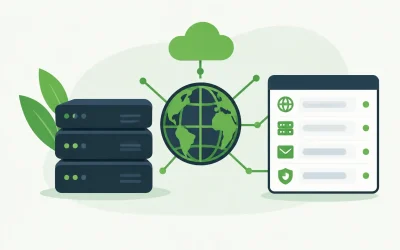
WHOIS is a long-standing system used to look up domain registration data. It can help identify a domain’s registrar, name servers, registration dates, and sometimes registrant contact details. That transparency has legitimate uses, including troubleshooting domain issues and investigating abuse.
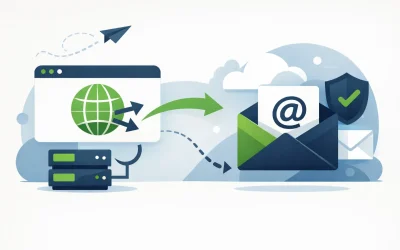
However, publicly available contact data can also attract the wrong kind of attention. Automated systems routinely scan registration records for email addresses, phone numbers, and mailing addresses. A newly registered domain can quickly lead to unsolicited marketing messages, fake renewal notices, and phishing attempts made to look like official registrar communications.
For a business, public registration details can also create an operational problem. If a founder registers a company domain using a personal email account, that address may remain connected to the domain long after the business has grown. Privacy helps reduce that exposure while the business puts clearer ownership and account management processes in place.
What Domain Privacy Helps Protect
The primary benefit is reduced visibility for personal contact information. That is especially useful when a domain is registered by an individual, a home-based business, a freelancer, or a small team without a separate business address and phone line.
Domain privacy can help reduce several common issues:
- Unsolicited email from marketers scraping WHOIS data
- Spam calls and direct mail sent to registration contacts
- Phishing messages that imitate domain renewal or verification notices
- Social engineering attempts aimed at people named in registration records
It can also support a more professional separation between personal and business information. A consultant may want clients to see a company email address and business contact page, not the personal details used when the domain was purchased.
That said, privacy is not a guarantee that no one can identify or contact you. Your website itself may publish a business address, team member names, support email addresses, or social media profiles. If your goal is to limit public exposure, review those areas alongside your domain registration settings.
What Domain Privacy Does Not Do
Domain privacy is valuable, but it has a specific job. It does not secure your hosting account, remove malware, prevent a data breach, or stop attackers from targeting your website. A private WHOIS record will not protect a WordPress site with outdated plugins or a hosting account that uses a weak password.
It also does not eliminate every domain-related scam. Fraudulent renewal notices and phishing emails can be sent broadly, even when a registrant’s details are not public. Treat unexpected messages about domain transfers, expiration dates, invoices, or account verification with care. Sign in directly through your registrar or hosting provider instead of using links in an unsolicited email.
Privacy may not be available for every domain extension. Rules differ by top-level domain, registry, and country-code domain. Some extensions require certain contact details to remain accessible, while others have built-in redaction policies. The availability and scope of privacy protection can therefore depend on the domain you choose.
Finally, domain privacy does not replace accurate registration data. Keep your domain account email current and use an address your business can access over time. Missing an expiration notice because an old employee’s email is on the account can put a valuable domain at risk.
Who Should Use Domain Privacy?
For most individuals and small businesses, domain privacy is a sensible default when it is available. The case is particularly strong for bloggers, independent professionals, early-stage startups, online stores, and anyone registering a domain from a residential address.
Larger organizations may already use a corporate address, role-based email inboxes, and formal domain management policies. Even then, privacy can still reduce unwanted outreach and help limit the public exposure of internal contacts.
There are situations where a business may choose not to use it. Some organizations want certain ownership information to be publicly visible for transparency, investor relations, or community trust. Others operate under industry, legal, or registry requirements that call for specific public contact information. The right choice depends on the domain extension, your organization’s structure, and the information you are comfortable making public.
How to Use Domain Privacy Without Losing Control
Enable domain privacy during registration if your chosen extension supports it, or add it to an eligible domain you already own. Then take a few minutes to confirm that the registrar account itself is secure and correctly managed.
Use a strong, unique password and enable multi-factor authentication when available. Make sure the registrant email address is monitored by someone responsible for the business, not tied to a single contractor or temporary employee. Turn on renewal reminders and consider auto-renewal for domains that are critical to your operations.
It is also wise to keep domain registration separate from day-to-day website administration. Your developer may need access to DNS or hosting, but they do not necessarily need sole control of the registrar account. Clear ownership prevents avoidable problems when a site is redesigned, an agency relationship ends, or staff roles change.
At Charter Hosting, the larger goal is straightforward: keep the foundation of your online presence fast, reliable, and secure. Domain privacy is one part of that foundation, alongside dependable hosting, SSL protection, account security, and regular website maintenance.
Common Questions About Domain Privacy
Does domain privacy hide my identity completely?
No. It masks eligible contact information from public WHOIS results. Your registrar and the domain registry still maintain the registration information required to operate the domain, and that information may be disclosed when legally required.
Will domain privacy affect my website or email?
No. Domain privacy does not change your website files, hosting plan, DNS configuration, or business email service. It affects the public display of registration details. If the privacy service uses a forwarding email address, messages sent through it may be forwarded to your actual registrant email.
Is domain privacy the same as domain ownership protection?
No. Privacy masks public contact details. Ownership protection usually refers to account controls that help prevent unauthorized domain transfers or changes. Both can be useful, but they address different risks.
Should I use my business information anyway?
Use accurate information that your organization can maintain long term. If you have a legitimate business address and role-based email inbox, those are often better than a personal address and personal email. Domain privacy can still provide an extra buffer against public scraping and unwanted contact.
A domain name is often one of a business’s most durable assets. Protect the registration details around it, secure the account that controls it, and make sure the right people can manage it when it matters.