A domain name may be one of the smallest purchases behind your website, but the registration details connected to it can create real privacy, security, and credibility implications. When comparing domain privacy vs public registration, the right choice depends on who owns the domain, how it is used, and whether public contact information serves a legitimate business purpose.
For many small businesses, domain privacy is the practical default. It reduces unwanted exposure without changing who owns or controls the domain. Public registration can still make sense, particularly when an organization needs clear public accountability or operates under rules that require identifiable contact details.
Domain Privacy vs Public Registration: What’s the Difference?
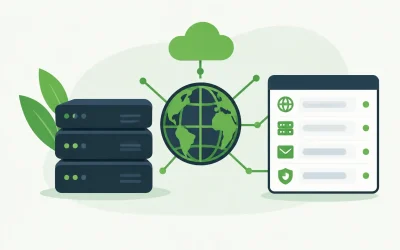
Every registered domain has contact information associated with it. Traditionally, this information could be viewed through WHOIS lookup services. The industry is moving toward Registration Data Access Protocol, or RDAP, but the basic function remains similar: registration records may provide information about a domain, its registrar, its status, and in some cases its registrant contacts.
With public registration, the registrant’s name, organization, mailing address, phone number, and email address may be available in public registration records, depending on the domain extension, registrar policies, and privacy regulations. That does not always mean every field is visible. Modern privacy rules and registry policies often redact personal data automatically. Still, public registration means you are choosing a more transparent posture and may have fewer protections against exposure.
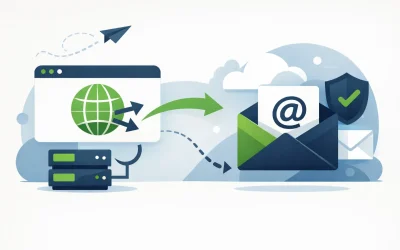
Domain privacy, sometimes called privacy protection or proxy registration, replaces eligible registrant contact details in public lookup results with privacy service information. Your actual information remains on file with the registrar for account management, verification, renewals, and compliance purposes. You retain ownership of the domain, but casual searches do not display your personal address or direct email contact.
Privacy protection is not the same as anonymous ownership. Registrars and registries can still require accurate information, and domain owners may need to verify their email address or identity. False registration details can put a domain at risk of suspension or cancellation.
Why Domain Privacy Is Often the Better Default
A public domain record can become a source of avoidable noise. Automated tools collect visible email addresses and phone numbers, which can lead to spam, sales solicitations, phishing attempts, and unwanted calls. For a solo business owner, blogger, or startup founder who registered a domain with a home address, the personal privacy concern is even more direct.
Domain privacy adds a useful layer of separation between your business presence and your personal contact details. It can limit the information readily available to bad actors looking for targets for social engineering. For example, a scammer who knows the domain owner, registrar, expiration date, and email address has more material to use in a convincing fake renewal notice.
It also keeps routine outreach from overwhelming the inbox you use to manage the domain. Most legitimate domain-related notices should arrive through your registrar account and verified administrative contacts, not through unsolicited messages based on a public record.
For businesses that manage multiple brands, client domains, or development projects, privacy protection can help keep registration records organized and reduce unnecessary exposure across a larger portfolio. Agencies and resellers should still ensure that ownership and account access are documented clearly. Privacy protects public information, but it does not replace sound domain governance.
When Public Registration May Be the Right Choice
Public registration is not automatically a mistake. Some organizations benefit from making their identity easy to verify. A company operating in a regulated market, a nonprofit seeking donor trust, or an organization with a public-facing policy role may prefer transparent registration data when permitted by its domain extension and applicable rules.
A business may also use public registration when it wants prospective partners, journalists, or customers to see that a domain is connected to a recognizable organization. In these cases, use durable business contact information rather than an employee’s personal email, home address, or mobile number. A dedicated domain administration email and business mailing address are safer choices.
There are also domain extensions with registry-specific rules that limit, alter, or do not support privacy services. Country-code domains can have different eligibility and disclosure requirements. Before relying on privacy protection for a particular domain, confirm what the extension allows and whether the registrar offers the service for that extension.
The decision should be intentional. Public information can support transparency, but it should not expose individuals unnecessarily.
Privacy Does Not Replace Domain Security
Domain privacy helps reduce exposure, but it is not a complete security control. A domain can still be stolen, redirected, or allowed to expire if account security is weak. The most valuable protections happen inside the registrar account.
Use a strong, unique password and enable multi-factor authentication whenever it is available. Keep the registrant and administrative email addresses current, because missing a verification or renewal notice can disrupt your website and business email. Turn on auto-renewal, maintain a valid payment method, and review expiration dates for every business-critical domain.
For organizations with several team members, define who can make registration changes. The person building the website should not automatically be the only person with access to the domain. A documented account owner, limited-access users where supported, and a clear renewal process help prevent an avoidable outage when an employee or contractor leaves.
A registrar lock can add another safeguard by preventing unauthorized transfers until the lock is removed. It should be part of a broader operational process, not a setting you forget exists. If you need to transfer a domain, update DNS, or change ownership, verify the request through trusted account access rather than email links.
How to Choose the Right Registration Setting
Start with the contact details you would be comfortable seeing in a public lookup record. If those details include a personal residence, personal phone number, or inbox used for sensitive account recovery, domain privacy is usually the clear choice.
Next, consider the purpose of the domain. A local service business, online store, portfolio site, or early-stage startup generally has little to gain from exposing an individual’s registration data. A public institution or organization that values visible accountability may decide that business-level transparency is worth the trade-off.
Then check the domain extension and the rules that apply to it. Privacy availability, public display rules, and required contact fields can vary. Do not assume that a setting available on one extension will work the same way on another.
Finally, separate visibility from ownership. Whether you choose privacy or public registration, keep accurate registrant details in your account and make sure the legal owner of the domain is correctly identified. This matters during a sale, a business transition, a dispute, or a recovery request.
Common Questions About Domain Registration Privacy
Will domain privacy hide my website or affect SEO?
No. Domain privacy changes the registration information that may appear in public lookup records. It does not hide your website from search engines, change your DNS settings, slow down your hosting, or directly affect search rankings.
Can customers still contact my business?
Yes. Your website should provide the contact methods you want customers to use, such as a business email address, contact form, support portal, or phone number. Those channels are more useful and more manageable than exposing domain registration contacts.
Does privacy protection prevent legal or abuse reports?
No. Privacy services typically provide procedures for legitimate inquiries, abuse reports, and legal requests. The exact handling process can vary by registrar, registry, and applicable law.
What happens if I disable domain privacy later?
Eligible domains can often move from privacy-protected to public registration settings, subject to the registrar and extension rules. Review the displayed information first, especially if an account contains personal data that was entered when the domain was registered.
Your domain is a business asset, not just a web address. Choose the registration setting that fits your need for privacy and trust, then protect the account behind it with the same care you give your website, email, and hosting environment.